Guide
Brain-Healthy Habits: What Has Better Evidence Than a Supplement
Brain-healthy habits with the better evidence are managing blood pressure, being physically active, sleeping well, learning new things and staying social. An expert report found these more encouraging than any single supplement. A simple weekly plan is below.
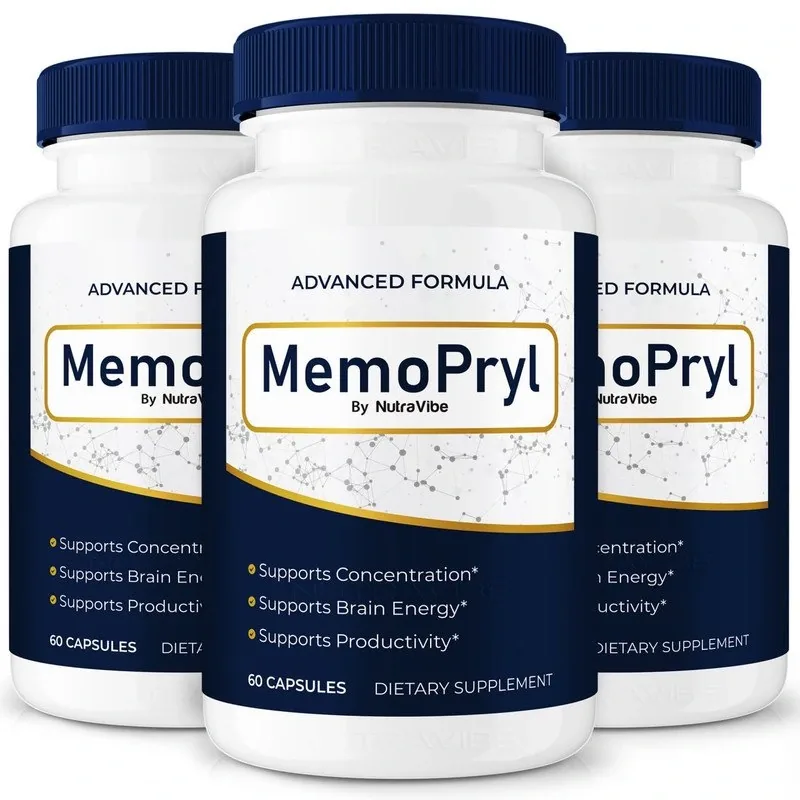
Prepared by the MemoPryl label deskUpdated
Habits first01
How can you improve memory naturally?
To improve memory naturally, start with the habits that have the most support: blood pressure control, regular movement and mentally active days. None is a quick fix, and none replaces a check-up when memory is changing.
A National Academies report on preventing cognitive decline named three approaches with encouraging but inconclusive evidence: cognitive training, managing blood pressure in people with hypertension, and more physical activity (NASEM 2017, preventing decline). The same report said many touted products and behaviors had rarely been rigorously tested.
That wording is careful on purpose. "Encouraging" is not "proven", and no habit can promise to protect any one person. Still, these steps are low-risk and good for the rest of the body, which is a fair reason to start.
| Habit | What the evidence looks like | A first step |
|---|---|---|
| Blood pressure control | Named as encouraging but inconclusive for cognitive decline (NASEM 2017, preventing decline) | Get your numbers checked and follow your prescriber's plan |
| Physical activity | Named as encouraging but inconclusive (NASEM 2017, preventing decline) | Ask your doctor what kind and how much suits you |
| Cognitive training | Named as encouraging but inconclusive (NASEM 2017, preventing decline) | Pick a skill that is new and a little hard |
| Sleep, social time, mood | Not assessed in the sources we read; they affect how clear you feel day to day | Keep a steady bedtime and regular contact with people |
We read only the front matter of the National Academies report, so we attribute to it only the points above (NASEM 2017, preventing decline).
The basics02
Which habits are worth building first?
The habits worth building first are the ones your doctor can help you measure: blood pressure, activity and sleep. Start with one, not all five.
Small and steady beats big and brief. A walk you do four days a week will do more than a plan you drop in ten days. Choose something you can still do on a tired Tuesday.
If you have a heart condition, joint pain or a health problem, ask your doctor before you change how much you exercise.
Blood pressure
High blood pressure that is treated is one of the three approaches the National Academies report found encouraging (NASEM 2017, preventing decline). Take medicines as prescribed and keep your check-ups.
Movement
Walking, swimming, dancing or gardening all count as activity. Pick what you enjoy, so you keep going. Your doctor can tailor the amount.
Sleep
Tired people forget more and focus less. A regular bedtime, a dark room and less late caffeine are simple starts. Loud snoring or long wakefulness is worth mentioning to a doctor.
Learning and company
Learn a language, a card game or an instrument. Cognitive training is one of the three approaches the report found encouraging (NASEM 2017, preventing decline). Time with people you like is common sense; the sources we read did not assess it.
A simple plan03
What does a brain-healthy week look like?
A brain-healthy week mixes movement, something new to learn, people and rest in amounts you can keep up. The plan below is an example to adjust, not a prescription.
Treat it like a menu. If a day is rough, do the smallest version and move on. Missing a day is not failure.
- Monday. A 20-minute walk, and a check of your blood pressure log if your doctor asked for one.
- Tuesday. Spend 15 minutes on something new: a few words of a language, or a recipe you have not cooked.
- Wednesday. Call or visit a friend or relative. Aim for real conversation, not only a text.
- Thursday. Another walk or a class you enjoy. Go to bed at your usual time.
- Friday. A puzzle, a book chapter or a hobby that takes focus.
- Weekend. One longer outing with others, and one slow, screen-free evening to wind down.
Based on the three approaches in the National Academies report plus everyday habits (NASEM 2017, preventing decline). Sleep and company are listed as common sense, not as findings from that report.
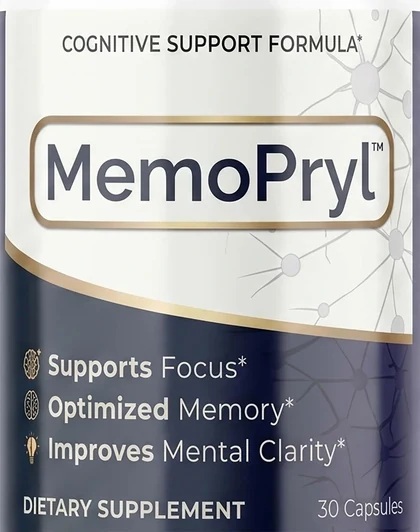
Pills and powders04
Which nootropics are best for brain fog?
No nootropic has been shown to be a reliable fix for brain fog, so the honest answer is to look for the cause first. Brain fog often has an ordinary source such as sleep, stress, mood or a medicine.
A report on brain-health supplements, summarized by AARP, found insufficient evidence to recommend any supplement for brain health in most adults (AARP/GCBH, brain supplements). It also warned about vague claims, impurities and inaccurate labels.
If you are still curious, the memory supplements compared guide looks at ingredients one by one. It makes no promises, and it asks you to see a doctor first.
Some are plant extracts and some are made in a lab. "Natural" does not automatically mean safe. The NIH notes that comfrey and kava can harm the liver (NIH ODS, supplements basics). Judge a product by its label, its amounts and your medicines, not the word on the front.
Do not stop or swap a prescription for a habit change or a supplement without your prescriber's advice.
Everyday boosters05
Is a nootropic better than coffee or tea?
We found no source comparing a nootropic with caffeine, so we cannot say one is better. Caffeine is an ordinary drink with its own limits, and a late cup can cost you sleep.
Sleep matters for how clear you feel, so a bedtime that is steady usually beats an extra cup. If coffee makes you jittery or keeps you up, cutting back in the afternoon is a free experiment. Check with your doctor if you take medicines that interact with caffeine or have heart rhythm problems.
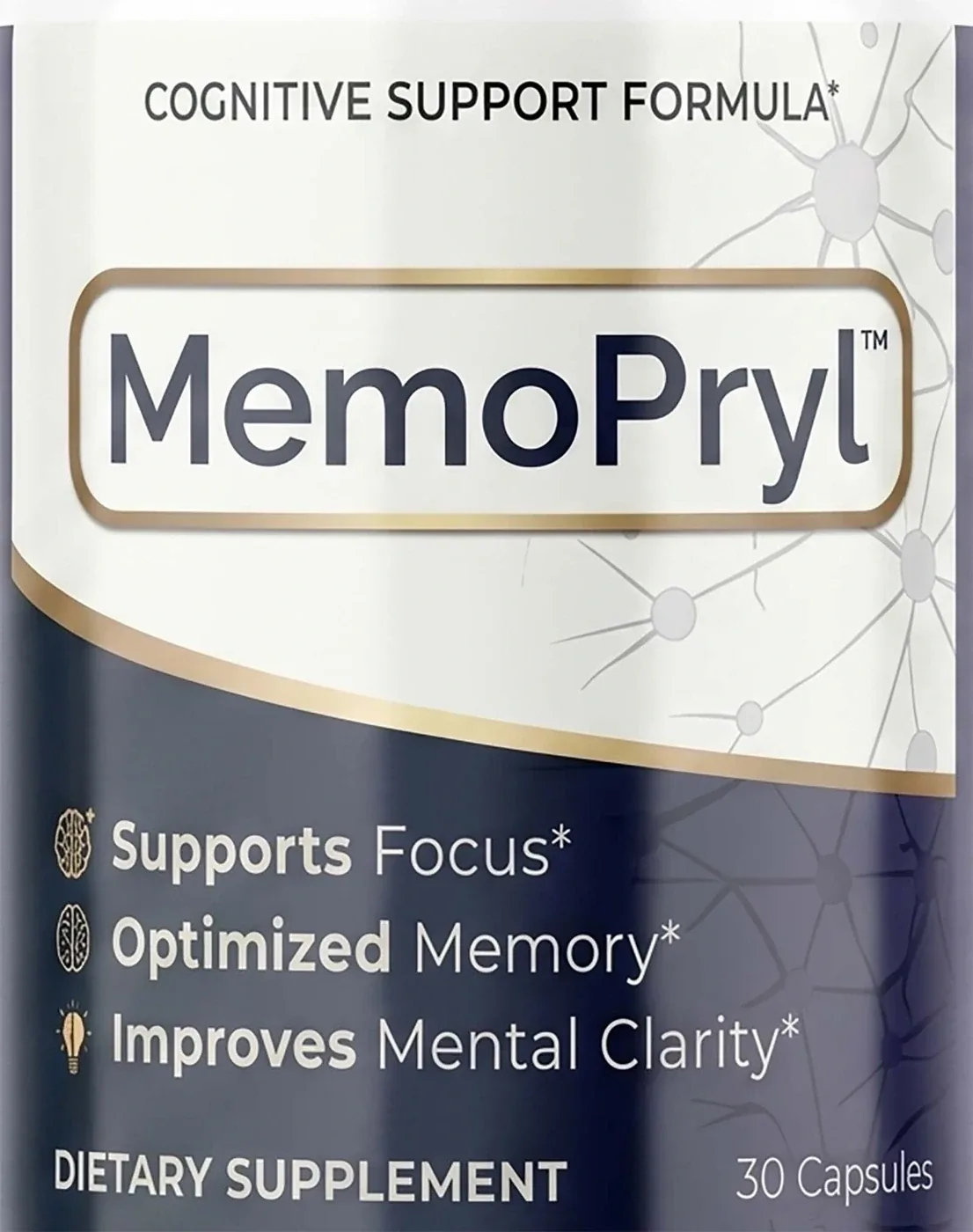
If memory is slipping in a way that worries you, the memory basics guide explains the warning signs and what a check-up involves.
FAQ06
MemoPryl questions people ask
What is the best way to keep your brain healthy as you age?
The best-supported steps are managing blood pressure, staying physically active and keeping the mind engaged (NASEM 2017, preventing decline). They are encouraging but not proven. Keep regular check-ups, and see a doctor if memory changes worry you.
Do brain games prevent dementia?
Not that we can say. Cognitive training is listed as an encouraging but inconclusive approach by the National Academies (NASEM 2017, preventing decline). Learning something new and a little hard is a reasonable habit, but it is not a guarantee.
Does walking help your memory?
Physical activity is one of three approaches the National Academies called encouraging but inconclusive (NASEM 2017, preventing decline). Walking is an easy, low-cost way to be active. Ask your doctor how much suits you.
Can I fix brain fog without supplements?
Often the first step is finding the cause. Poor sleep, stress, low mood and some medicines are common. Habits like steady sleep and movement help many people feel clearer, and a doctor can check for treatable causes.
Are nootropics natural or synthetic?
Both exist. Some are plant extracts, others are made in a lab, and many blends mix them. Neither type is automatically safe, and the label's amounts and your medicines matter more than the word natural (NIH ODS, supplements basics).
How long before habit changes affect memory?
No sources we read give a timeline, so we will not invent one. Many people notice better sleep and energy sooner than any change in memory. Track how you feel and share the notes with your doctor.
Should I take a pill instead of changing my habits?
A supplement does not replace habits or a check-up. Experts found insufficient evidence to recommend any supplement for brain health in most adults (AARP/GCBH, brain supplements). Habits cost little and help the rest of your body, too.
Who wrote this07
Written and reviewed by
Pages built from the label, the official site, the sales page and linked NIH, FDA, FTC and peer-reviewed sources.
Last updated . Find our editorial standards and how we check reviews. This website is run by a U.S. order-link partner, not by the maker of MemoPryl. This site earns a commission when you buy through our order links.
Keep reading
More about MemoPryl
MemoPryl U.S. order-link partner
Ready to try MemoPryl?
The order link opens the seller's checkout, where the price, shipping and guarantee terms are shown. Read the bottle and check your medicines first.
- The order link opens the seller's checkout
- 60-day window reported; confirm at checkout
- Delivery terms shown at checkout