Phosphatidylserine
Phosphatidylserine in MemoPryl
Phosphatidylserine in MemoPryl is a named ingredient with no published amount. It is a fat-like molecule in cell membranes. Trials of phosphatidylserine were small and short, and the FDA allowed only qualified claims for it. Check the amount on your bottle.
Prepared by the MemoPryl label deskUpdated
The ingredient01
What is phosphatidylserine in MemoPryl?
Phosphatidylserine is a fat-like molecule that sits in the walls of your cells, and it is the first of the six names listed for MemoPryl. Your body makes some, and food supplies a little more.
In supplements it is sold as a powder, usually taken from plants or marine sources. Older products used cow brain, and makers moved away from that because of prion worries (ADDF, phosphatidylserine).
The brief lists it under the nutrients, ahead of the herbs. Sponsored coverage of the vendor repeats the name and gives no milligrams (Sponsored coverage of the vendor). We do not know which source the capsules use.
| Name on the label | Phosphatidylserine |
|---|---|
| What it is | A fat-like molecule found in cell membranes, sold as a supplement |
| Group on the panel | Nutrients and amino acids |
| Amount per serving (label) | Not published |
| % Daily Value | Not known |
| Amount used in research | Typical supplement intake is cited as 80 to 500 mg a day; trials were small and mostly under 6 months |
| Strength of evidence | Limited and preliminary; the FDA allowed only qualified claims |
| Marketed or traditional use | Marketed for memory and focus |
| Main caution | Small trials reported no serious problems; may lower blood pressure or raise bleeding risk. |
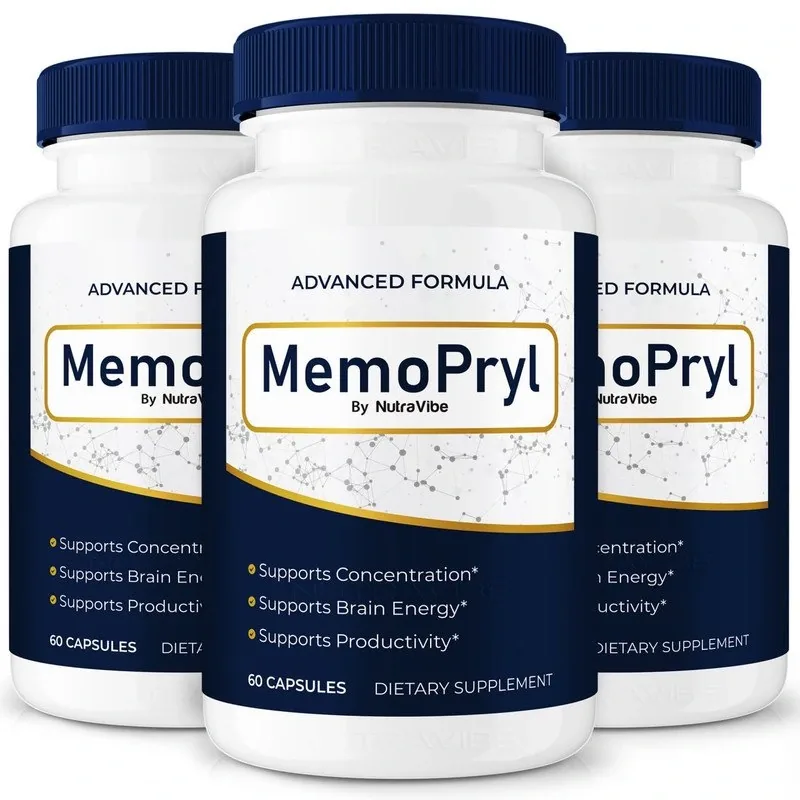
The card above is an illustration made for this site. The “Amount per serving” row says not published because no Supplement Facts panel was found. See the supplement facts page for what the bottle photo does show.
The evidence02
Does phosphatidylserine help memory?
Phosphatidylserine memory studies are small and short, and their gains were too slight to matter in daily life. That is the plain summary from the Alzheimer's Drug Discovery Foundation, which reviewed the research (ADDF, phosphatidylserine).
Most trials lasted under six months. In people with Alzheimer's disease, benefits were brief or seen only in severe cases, and larger trials have not confirmed them. A 2022 meta-analysis hinted at a memory gain, but the trials were hard to compare.
The FDA looked at the same question in 2003. It allowed only qualified claims and judged the scientific evidence to be very little (FDA, phosphatidylserine claim). The exact current wording of those letters was not checked for this site, so we do not quote it.
| Question | What was found | Source |
|---|---|---|
| How big were the trials? | Small, mostly under 6 months | (ADDF, phosphatidylserine) |
| Were the gains meaningful? | Slight, not large enough to be clinically relevant | (ADDF, phosphatidylserine) |
| Did larger trials confirm them? | Not in Alzheimer's patients | (ADDF, phosphatidylserine) |
| What did the FDA allow? | Qualified claims, with the evidence called very little | (FDA, phosphatidylserine claim) |
| Was MemoPryl tested? | No trial of the finished product was found | (Sponsored coverage of the vendor) |
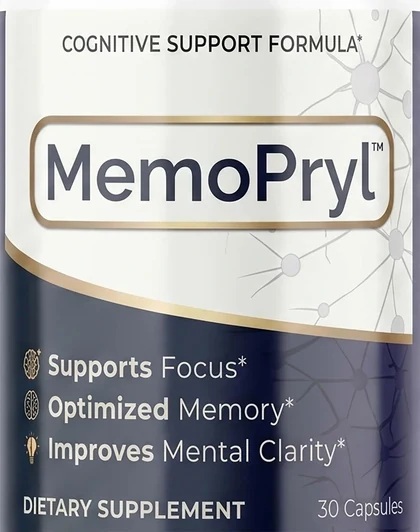
The bottle says “Optimized Memory*”. The asterisk points to the FDA statement that the claim was not evaluated (FDA, structure/function claims). Phosphatidylserine alone does not show that a mixed capsule does anything.
How much03
How much phosphatidylserine is in MemoPryl?
Nobody outside the seller can say how much phosphatidylserine is in MemoPryl, because the amount is not published. We found no Supplement Facts panel, serving size or milligram figure.
The research number is a separate matter. Typical supplement intake in studies is cited as 80 to 500 mg a day (ADDF, phosphatidylserine). That range describes the ingredient in trials. It says nothing about what is in your capsules.
A real label must list each ingredient with its amount (21 CFR 101.36, supplement labels). The exception is a proprietary blend, which shows the blend total and lists its parts by weight order, with no single amounts. We have not seen which format this bottle uses.
What a full label would let you do
- Compare the number with the research range
- See whether it sits inside a blend
- Ask a pharmacist about a specific figure
What you cannot do today
- Say the amount is low, high or typical
- Judge it against any trial
- Compare it with another bottle
If the amount is missing on your bottle too, the ingredient guide explains how to read what is there.
Side effects04
Is phosphatidylserine safe, and who should ask first?
Phosphatidylserine was well tolerated in the small trials, but safe for you depends on your health and your medicines. Small trials reported no serious side effects (ADDF, phosphatidylserine).
The same source notes it may lower blood pressure and may raise bleeding risk. It also lists weight gain as a possibility. Those notes matter more if you already take a blood thinner or a blood pressure medicine.
MemoPryl also names ginkgo, and ginkgo has its own bleeding warning. Two names with bleeding notes are a good reason to show the bottle to a pharmacist before the first capsule.
Blood thinners
Warfarin, apixaban, clopidogrel or daily aspirin. Carry on with prescribed medicine exactly as directed while you ask.
Blood pressure medicine
A supplement that may lower pressure can stack with a drug that does the same.
Surgery or pregnancy
Tell the surgical team about every supplement. Many have not been tested in pregnancy or nursing (NCCIH, supplements wisely).
A fuller list is on the MemoPryl side effects page.
Your bottle05
How do you check phosphatidylserine on your MemoPryl bottle?
Check phosphatidylserine on your bottle by finding its line on the Supplement Facts panel and reading the amount, the source and the serving size. Other online listings use the name MemoPryl for different formulas, so the name check comes first (memopryl.com vendor page).
If the six names do not match what you hold, you have a different formula. Ask the order desk before you take it.
Find the name
Look for phosphatidylserine in the panel or the ingredient line. If it is missing, the formula differs from the brief.
Read the amount and serving
Note the milligrams and what one serving means. Write them down next to the date.
Compare with your medicines
Hand the bottle and your medicine list to a pharmacist. Ask about bleeding and blood pressure.
Ask for a test report if you want one
Lot and certificate numbers were not verified for this site. The order desk can be asked for a report, and independent testing marks are explained under testing and quality.
FAQ06
MemoPryl questions people ask
What does phosphatidylserine do in the body?
Phosphatidylserine is a building block of cell membranes, especially in the brain. The body makes it and food supplies some. Whether extra from a capsule changes memory is a separate question, and small trials found only slight gains (ADDF, phosphatidylserine).
Is phosphatidylserine a proven memory supplement?
No. Trials were small and short, and the gains were not large enough to matter in daily life (ADDF, phosphatidylserine). The FDA allowed only qualified claims and called the evidence very little (FDA, phosphatidylserine claim). Treat it as an early, unconfirmed idea.
What dose of phosphatidylserine do studies use?
The Alzheimer's Drug Discovery Foundation cites typical intake of 80 to 500 mg a day (ADDF, phosphatidylserine). That describes the ingredient in studies only. MemoPryl does not publish its amount, so the range cannot be matched to the capsules.
Can phosphatidylserine raise bleeding risk?
It may. The research summary notes that phosphatidylserine supplements may increase bleeding risk and may lower blood pressure (ADDF, phosphatidylserine). If you take a blood thinner or have surgery planned, ask your doctor or pharmacist before using any product that contains it.
Where does the phosphatidylserine in supplements come from?
Current products use plant or marine sources. Older ones used cow brain, which was dropped because of prion concerns (ADDF, phosphatidylserine). MemoPryl does not say which source it uses, so the label or the order desk is the place to ask.
Is phosphatidylserine the same as the bottle's memory claims?
No. The bottle claims, such as “Supports Focus*”, belong to the whole product, with an FDA asterisk (FDA, structure/function claims). Phosphatidylserine is one of six names. The claims are not backed by a trial of the finished capsule.
How is phosphatidylserine different from ginkgo in MemoPryl?
Phosphatidylserine is a fat-like nutrient found in cell membranes. Ginkgo is a leaf extract with its own large trials, which found no dementia prevention (NCCIH, Ginkgo). Both carry bleeding notes, so the pair is worth showing to a pharmacist.
Does the FDA approve phosphatidylserine for memory?
No. The FDA does not approve supplements before sale (FDA, using supplements). For phosphatidylserine it allowed qualified claims only, which means the agency judged the evidence weak and required careful wording (FDA, phosphatidylserine claim).
Who wrote this07
Written and reviewed by
Pages built from the label, the official site, the sales page and linked NIH, FDA, FTC and peer-reviewed sources.
Last updated . Find our editorial standards and how we check reviews. This website is run by a U.S. order-link partner, not by the maker of MemoPryl. This site earns a commission when you buy through our order links.
Keep reading
More about MemoPryl
MemoPryl U.S. order-link partner
Ready to try MemoPryl?
The order link opens the seller's checkout, where the price, shipping and guarantee terms are shown. Read the bottle and check your medicines first.
- The order link opens the seller's checkout
- 60-day window reported; confirm at checkout
- Delivery terms shown at checkout