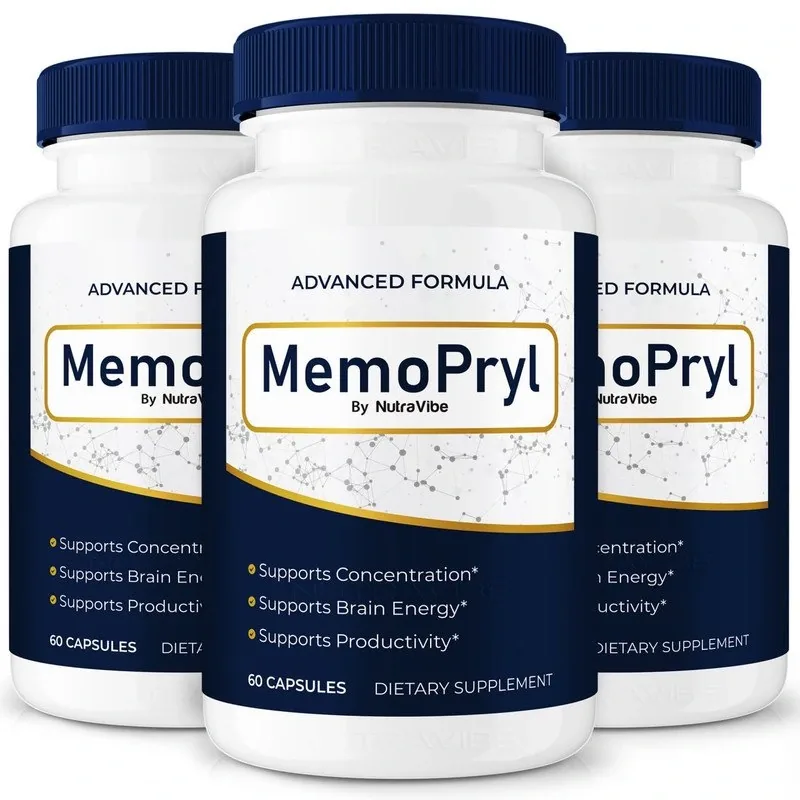
Ingredients
MemoPryl Ingredients: The Six Named Lines, With Evidence
MemoPryl ingredients, as named in the brief, are phosphatidylserine, ginkgo biloba leaf, N-acetyl L-carnitine HCl, St. John's wort, bacopa (brahmi) and L-glutamine. No amounts are published, so none appear here. Compare your bottle's panel line by line, because it is the final word.
Prepared by the MemoPryl label deskUpdated
The list01
What is in MemoPryl?
MemoPryl's ingredient list, as named in the brief, has six lines: phosphatidylserine, ginkgo biloba leaf, N-acetyl L-carnitine HCl, St. John's wort, brahmi (bacopa) and L-glutamine. The brief says they appear on a sibling MemoPryl pack, so confirm them on the bottle you receive.
Sponsored coverage of the vendor names the same six and adds Alpha-GPC and Huperzine-A (Sponsored coverage of the vendor). That coverage is vendor-side, not independent, and it gives no amounts either. We treat the six as the working list and the other two as unconfirmed.
- 1PhosphatidylserineNot published per serving · Not known
- 2Ginkgo biloba leafNot published per serving · Not known
- 3N-Acetyl L-Carnitine HClNot published per serving · Not known
- 4St. John's wortNot published per serving · Not known
- 5Brahmi / Bacopa monnieriNot published per serving · Not known
- 6L-glutamineNot published per serving · Not known
Names only: no amounts are published. Supplement labels must list each ingredient with its amount (21 CFR 101.36, supplement labels), so the bottle itself is the check.
Breakdown02
What is the MemoPryl ingredient breakdown?
The MemoPryl ingredient breakdown has two groups: three nutrients and amino acids, and three herbal extracts. The nutrients are phosphatidylserine, N-acetyl L-carnitine and L-glutamine. The herbs are ginkgo, St. John's wort and bacopa.
The amount column below says “not published” on purpose. The research column shows what scientists tested, which may be very different from what sits in your capsule.
| Label line | Group | Per serving | % DV | Amount used in research | Evidence |
|---|---|---|---|---|---|
| Phosphatidylserine | Nutrients and amino acids | Not published | Not known | Typical supplement intake is cited as 80 to 500 mg a day; trials were small and mostly under 6 months (FDA, phosphatidylserine claim) (ADDF, phosphatidylserine) | Limited and preliminary; the FDA allowed only qualified claims |
| Ginkgo biloba leaf | Herbal extracts | Not published | Not known | 240 mg a day of a specific dry extract in the European monograph for mild dementia (NCCIH, Ginkgo) (Cochrane, Ginkgo (PEARLS)) (EMA/HMPC, Ginkgo monograph) (MSK, Ginkgo) | Inconsistent; large trials found no prevention of dementia |
| N-Acetyl L-Carnitine HCl | Nutrients and amino acids | Not published | Not known | 1,000 to 3,000 mg a day in dementia trials (Cochrane, acetyl-L-carnitine) (NIH ODS, Carnitine) | No evidence of benefit in the Cochrane review of dementia trials |
| St. John's wort | Herbal extracts | Not published | Not known | Depression trials used standardized extracts for 4 to 12 weeks; not studied for memory (NCCIH, St. John's wort) (NCCIH, St. John's wort in depth) (Cochrane, St. John's wort) (NCCIH, herb-drug interactions) | Researched for mild to moderate depression rather than memory |
| Brahmi / Bacopa monnieri | Herbal extracts | Not published | Not known | 300 to 450 mg a day of extract for 12 weeks in small trials (Pase 2012, Bacopa review) (Bacopa meta-analysis 2014) (LiverTox, Bacopa) (Merck Manual, Bacopa) | Small, early trials; modest and inconsistent memory results |
| L-glutamine | Nutrients and amino acids | Not published | Not known | No studied dose for memory (Ogden 2020, L-glutamine tolerance) | No evidence for memory in the sources found |
A supplement label must list each ingredient with its amount (21 CFR 101.36, supplement labels). That is why the Supplement Facts panel on your bottle matters more than any list online. See the supplement facts page.
The herbs03
Does MemoPryl contain St. John's wort, ginkgo and bacopa?
Yes, the brief names St. John's wort, ginkgo and bacopa as three of the six lines. They are the three that most shape the safety questions.
St. John's wort and ginkgo both interact with common medicines. Bacopa is milder but not free of cautions. Show the bottle to a pharmacist before the first capsule, and keep taking prescribed medicine.
St. John's wort
Researched for mild to moderate depression rather than memory (NCCIH, St. John's wort). It can weaken birth control pills, warfarin and many other drugs (NCCIH, herb-drug interactions). See St. John's wort interactions.
Ginkgo biloba
A large trial of people 75 and older found no lower dementia risk (NCCIH, Ginkgo). It may raise bleeding risk, so blood thinners matter (MSK, Ginkgo).
Bacopa (brahmi)
Small 12-week trials showed modest gains on some memory tests (Pase 2012, Bacopa review). Side effects are usually minor, such as stomach upset (LiverTox, Bacopa).
Comparison04
Bacopa vs ginkgo: which has more evidence?
In the sources we read, bacopa has small positive trial results and ginkgo has large negative ones, and neither is proven for memory. Bacopa studies are short and small. Ginkgo studies are bigger but did not show protection.
| Question | Bacopa | Ginkgo |
|---|---|---|
| Best-known trial type | Six trials, 12 weeks each (Pase 2012, Bacopa review) | A study of 3,000+ adults aged 75+, median 6 years (NCCIH, Ginkgo) |
| Result | Better on 9 of 17 free-recall tests | No lower dementia or Alzheimer's risk |
| Main caution | Stomach upset; may affect thyroid hormone (Merck Manual, Bacopa) | Bleeding and seizure risk (MSK, Ginkgo) |
Gaps05
Why are the MemoPryl ingredient amounts missing?
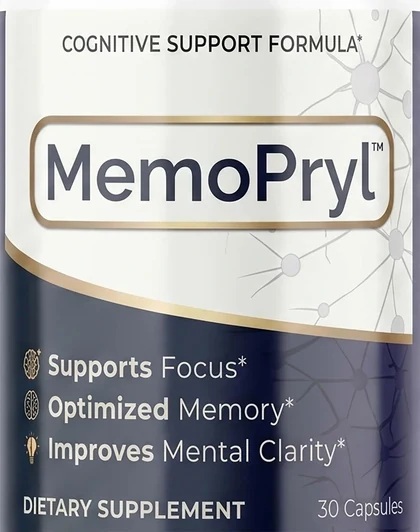
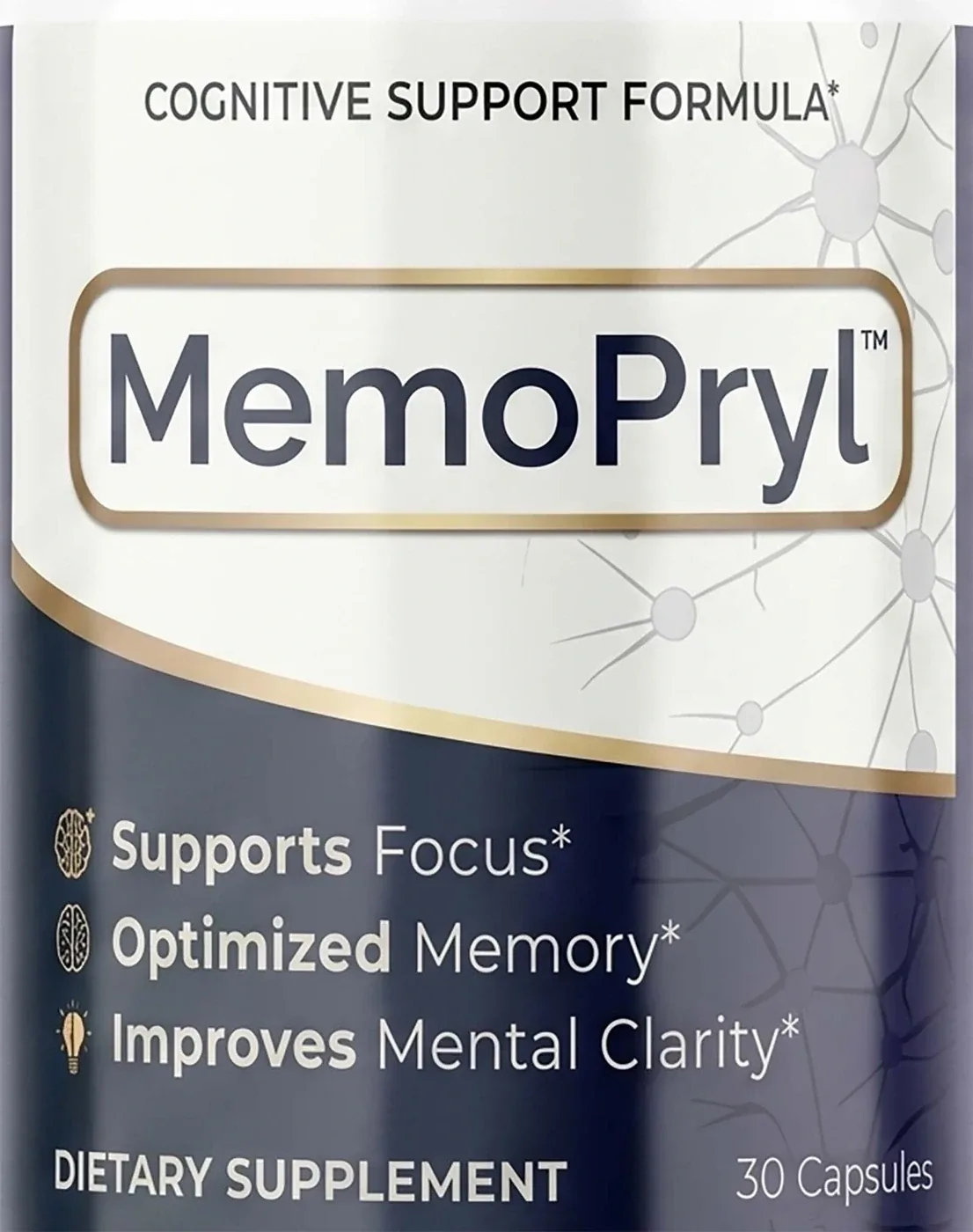
The amounts are missing because no Supplement Facts panel for MemoPryl was found anywhere we looked. The close-up bottle photo shows only the front, and the vendor page lists no ingredients at all (memopryl.com vendor page).
Other online listings use the name MemoPryl for different formulas. If your panel lists rhodiola, L-theanine, ginseng or branched-chain amino acids, it is not the formula described here. Ask the order desk before taking it.
- Match every ingredient name on your bottle to the six names above.
- Note anything extra, such as Alpha-GPC or Huperzine-A, and ask the desk about it.
Profiles06
Where can you read about each MemoPryl ingredient?
Each of the six ingredients has its own profile with the research, the cautions and the questions to ask. Pick the name on your bottle that worries you most.
-
 Not published01
Phosphatidylserine
Amount not published
A fat-like molecule found in cell membranes, sold as a supplement
Evidence: Limited and preliminary; the FDA allowed only qualified claimsAn illustration made for this site, not a product photo. No amount is printed on it because none is published.
Per servingNot published
Studied atTypical supplement intake is cited as 80 to 500 mg a day; trials were small and mostly under 6 months
Watch forSmall trials reported no serious problems; may lower blood pressure or raise bleeding risk.
Full profile -
 Not published02
Ginkgo biloba
Amount not published
Ginkgo biloba, leaf extract
Evidence: Inconsistent; large trials found no prevention of dementiaAn illustration made for this site, not a product photo. No amount is printed on it because none is published.
Per servingNot published
Studied at240 mg a day of a specific dry extract in the European monograph for mild dementia
Watch forMay raise bleeding risk with blood thinners; seizure and pregnancy cautions.
Full profile -
 Not published03
N-Acetyl L-Carnitine
Amount not published
Acetylated form of carnitine, hydrochloride salt
Evidence: No evidence of benefit in the Cochrane review of dementia trialsAn illustration made for this site, not a product photo. No amount is printed on it because none is published.
Per servingNot published
Studied at1,000 to 3,000 mg a day in dementia trials
Watch forNausea and a fishy body odor at high doses; can cause seizures in people with seizure disorders.
Full profile -
 Not published04
St. John's wort
Amount not published
Hypericum perforatum
Evidence: Researched for mild to moderate depression rather than memoryAn illustration made for this site, not a product photo. No amount is printed on it because none is published.
Per servingNot published
Studied atDepression trials used standardized extracts for 4 to 12 weeks; not studied for memory
Watch forInteracts with many medicines, including birth control pills, antidepressants and warfarin; sun sensitivity.
Full profile -
 Not published05
Bacopa (Brahmi)
Amount not published
Bacopa monnieri, a creeping herb used in Ayurveda
Evidence: Small, early trials; modest and inconsistent memory resultsAn illustration made for this site, not a product photo. No amount is printed on it because none is published.
Per servingNot published
Studied at300 to 450 mg a day of extract for 12 weeks in small trials
Watch forStomach upset; may affect thyroid hormone and some medicines.
Full profile -
 Not published06
L-glutamine
Amount not published
An amino acid the body makes and eats in protein
Evidence: No evidence for memory in the sources foundAn illustration made for this site, not a product photo. No amount is printed on it because none is published.
Per servingNot published
Studied atNo studied dose for memory
Watch forLarge single doses can upset the stomach.
Full profile
Questions about the capsules themselves are on the how MemoPryl works page and in the side effects guide.
FAQ07
MemoPryl questions people ask
What is in MemoPryl capsules?
The brief names six ingredients: phosphatidylserine, ginkgo biloba leaf, N-acetyl L-carnitine HCl, St. John's wort, bacopa and L-glutamine. No amounts are published, so check the panel on your bottle.
Is there a full MemoPryl ingredients list with milligrams?
None was found. No Supplement Facts panel, serving size or milligram figure is published for MemoPryl, so this site gives none. A label must list each ingredient with its amount (21 CFR 101.36, supplement labels), so your bottle is the source.
Does MemoPryl contain Alpha-GPC or Huperzine-A?
Sponsored coverage of the vendor names both (Sponsored coverage of the vendor), but the brief does not. That is a conflict we cannot settle without a label panel. If either appears on your bottle, ask the order desk and your pharmacist.
Why does MemoPryl have St. John's wort in a memory formula?
St. John's wort is traditionally taken for mood, and it has been studied for depression, not memory (NCCIH, St. John's wort). We cannot explain the maker's choice. It matters because it interacts with many medicines (NCCIH, herb-drug interactions).
Can I take MemoPryl ingredients if I use a blood thinner?
Ask the prescribing doctor first. Ginkgo may raise bleeding risk, especially with warfarin (NCCIH, herb-drug interactions), and St. John's wort can change how warfarin works. Keep taking your blood thinner as directed.
How do I know my bottle matches the MemoPryl ingredient list?
Compare each name on your Supplement Facts panel with the six names here. If one differs or an extra herb appears, it may be a different formula sold under a similar name. Ask the order desk before you take it.
Who wrote this08
Written and reviewed by
Pages built from the label, the official site, the sales page and linked NIH, FDA, FTC and peer-reviewed sources.
Last updated . Find our editorial standards and how we check reviews. This website is run by a U.S. order-link partner, not by the maker of MemoPryl. This site earns a commission when you buy through our order links.
Keep reading
More about MemoPryl
MemoPryl U.S. order-link partner
Ready to try MemoPryl?
The order link opens the seller's checkout, where the price, shipping and guarantee terms are shown. Read the bottle and check your medicines first.
- The order link opens the seller's checkout
- 60-day window reported; confirm at checkout
- Delivery terms shown at checkout